Pillows are essential for facial and spinal alignment, supporting various sleep positions and maintaining healthy neck curvature. This category highlights materials, profiles, and fill types that influence comfort, breathability, and pressure relief. The right pillow can reduce morning stiffness and improve sleep quality by promoting natural head and neck alignment throughout the night.
Common pillow materials include memory foam, latex, down-alternative fills, and shredded or solid foam cores. Memory foam pillows contour to the head, offering targeted support for the cervical spine, while latex provides buoyant lift and resilience. Understanding fill density and firmness helps match pillows to sleeping preferences such as side, back, or stomach positions.
Profile height, shape, and edge construction affect support levels and airflow. High-profile pillows suit side sleepers by filling the gap between the shoulder and ear, whereas lower profiles suit back sleepers for subtle neck support. Breathable covers and cooling technologies can also enhance comfort by reducing heat buildup during sleep.
Key features to evaluate include firmness rating, loft (height), cooling properties, and hypoallergenic materials. For memory foam pillows, consider open-cell or gel-infused designs that balance pressure relief with temperature regulation. Examining care instructions, such as cover washing and pillow rotation, helps maintain longevity and hygiene.
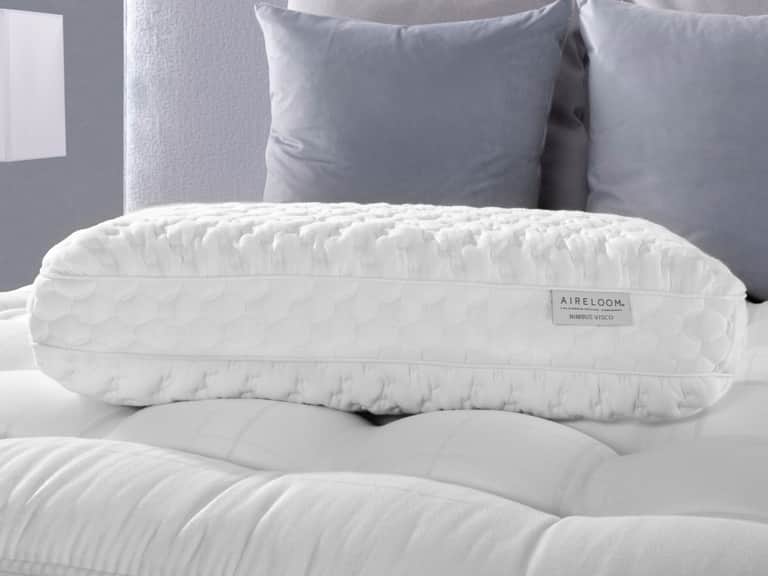
In this category, pillows such as the Aireloom Nimbus Visco High Profile Pillow demonstrate how premium viscoelastic foam blends comfort with supportive contouring. Functional benefits include neck stabilization, reduced movement transfer, and improved alignment for various sleep styles, complemented by ergonomic shaping and durable materials often used in bedding and organic mattress ecosystems.
 Bedding