Memory foam pillows are designed to contour to the head and neck, providing targeted support and pressure relief for various sleeping positions. By balancing firmness and cushioning, these pillows help maintain spinal alignment while minimizing common pressure points. Understanding materials, density, and ventilation is essential for selecting a model that suits individual comfort preferences and sleeping habits.
Viscoelastic memory foam responds to body heat, slowly conforming to contours and then regaining shape when weight is removed. This characteristic reduces motion transfer, which can benefit couples sharing a bed. The overall feel ranges from soft to medium-firm, with breathable cover fabrics that influence temperature regulation during sleep.
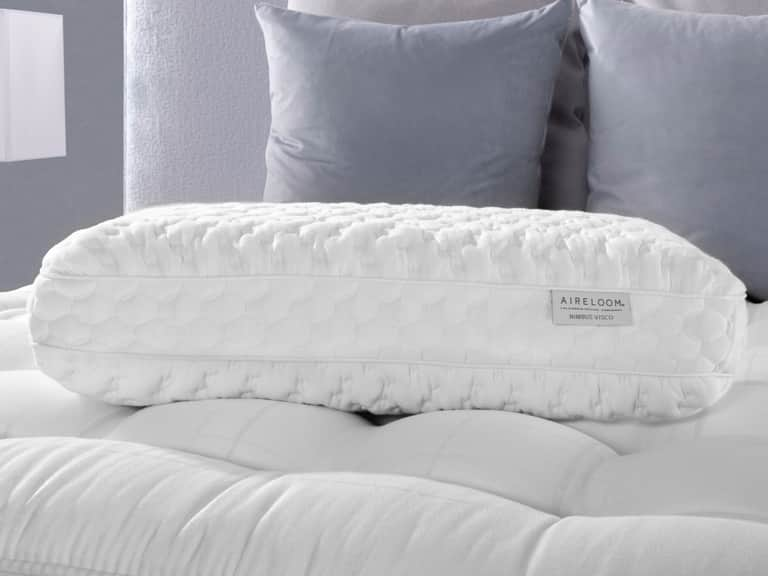
The Aireloom Nimbus Visco High Profile Pillow exemplifies how profile height and foam technology influence support. A higher profile supports larger neck curves and longer frames, while the viscoelastic core delivers consistent contouring and durability. Functional benefits include sustained neck support, reduced tossing, and improved comfort across sleep positions.
Key features to evaluate include density, foam layering, and cooling technologies. A well-designed memory foam pillow prioritizes airflow through open-cell structures or gel-infused foams, aiding in moisture management. For users with allergies or sensitive skin, hypoallergenic covers and washable shells contribute to a healthier sleep environment.
In counseling about pillow selection for memory foam alternatives, consider sleeping position, preferred loft, and any medical considerations such as cervical spine or snoring concerns. Integrating terms like bedding, memory foam pillows, sheets, and organic mattresses helps situate these products within a broader sleep ecosystem, emphasizing comfort, alignment, and long-term usability.
 Bedding